
Choosing a toilet & complete WC system
Choose the toilet you want to use every day, then specify everything it needs to work. The visible pan is the starting point; the complete system determines the installation.
Explore the guide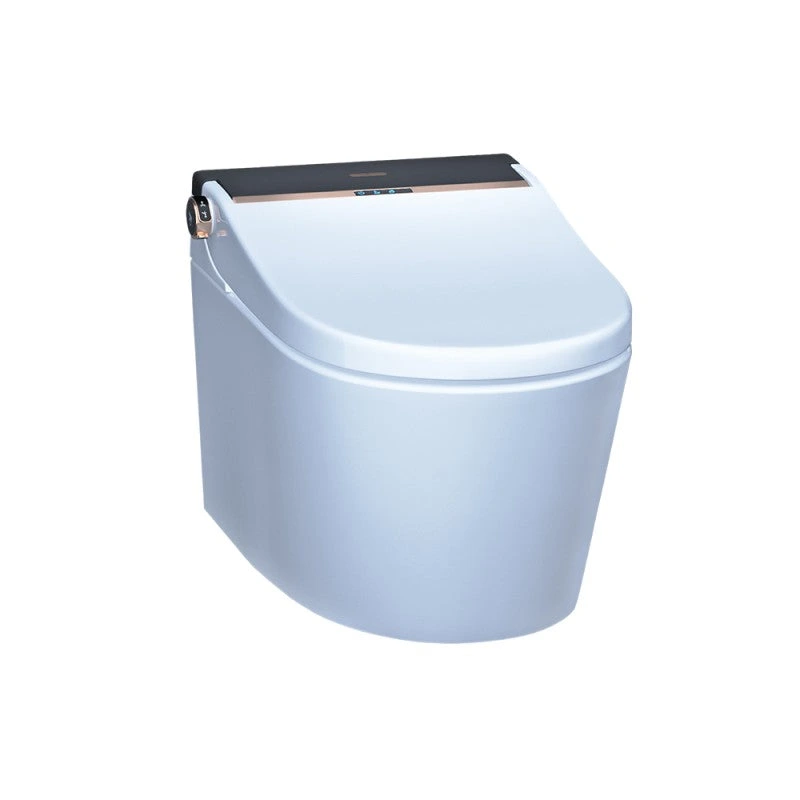
Before you begin
Start with your room, existing waste connection and the people using it. Decide on the installation format, check comfort and cleaning, then have the installer and showroom confirm an itemised, compatible specification. A product photograph rarely tells you everything included in the price.
Wall-hung, back-to-wall or coupled?
A wall-hung WC leaves the floor below the pan open. The load-bearing installation system and flushing arrangement sit behind the finished wall. Allow for that construction as well as the pan’s projection into the room.
A back-to-wall WC stands on the floor, with its back against a wall or furniture unit and the cistern usually concealed. A close-coupled WC has a visible cistern connected to the pan. A single-piece model integrates the pan and cistern into one form.
Rimless describes the inside of the bowl, rather than the way the toilet is mounted. Smart describes additional functions. Neither term tells you which frame, cistern or connections the exact model needs.
Choose the installation format before comparing styling. A wall-hung pan and a floor-standing pan need different supporting arrangements.
Back to contentsWhat makes a complete WC system?
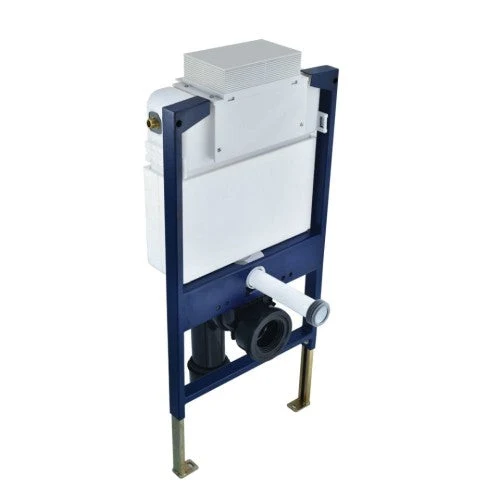
Ask for an itemised quote with exact model references. For a conventional wall-hung installation, review the pan and compatible seat, support frame, concealed cistern, matched flush control, installation kit, flush and waste connections, and the required fixings. Some kits combine these parts; others leave items to order separately.
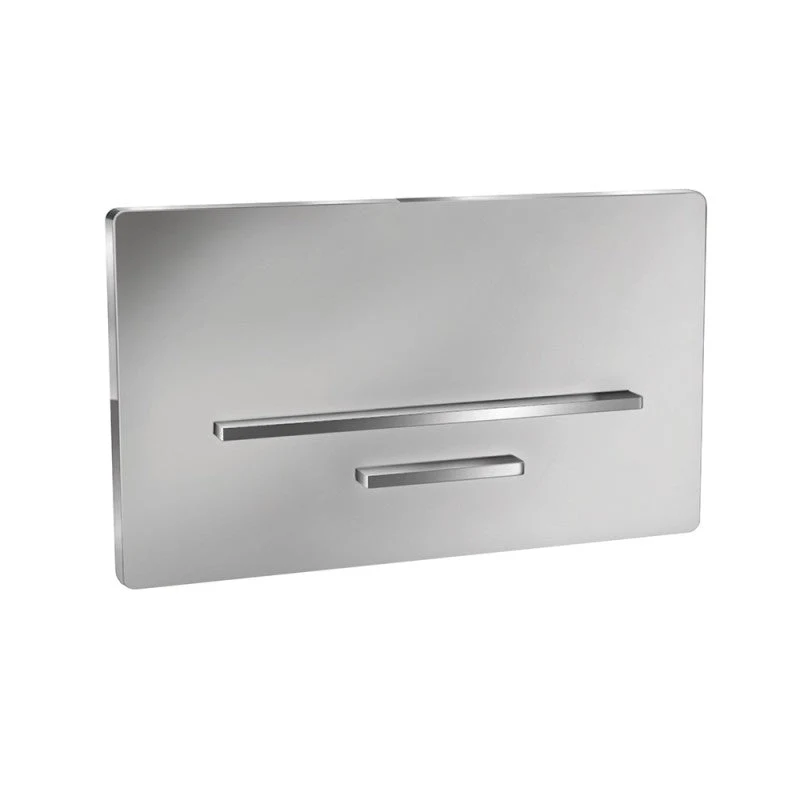
A concealed cistern without a supporting frame is not automatically a complete wall-hung installation. A flush plate also has to match the cistern’s actuation system. Matching colours or belonging to the same bathroom collection does not establish mechanical compatibility.
As a concrete example, Jaquar’s UK listing for JCS-WHT-2400FS describes a cistern, floor-mounting frame, installation kit and S-type drain connection set, while excluding the flush control plate. That is an example of why “cistern included” needs a precise definition; it is not a universal pairing recommendation.
- Ask what the pan price includes: seat, hinges, blind fixing kit or rack bolts.
- Ask what the cistern/frame kit includes and which parts remain separate.
- Record the exact compatible flush plate and whether it operates from the front or top.
- Have the installer confirm the complete combination before ordering.
Measure the installation, not just the pan
Measure from the proposed finished wall face, including any boxing, furniture, lining and tiles. Check the total projection, the approach to the WC, nearby doors and drawers, and space to clean around it. A shorter pan may help a compact room, but a deep concealed structure can change the overall result.
Photograph the existing soil pipe and water connection. Ask your installer to confirm outlet direction, connection position, fixing centres, wall and floor construction, and whether moving the waste is realistic. Do this before choosing a toilet to fit a drawing that assumes the pipework can go anywhere.
Agree the final seated height with the installer and the person using the room, taking the finished floor and seat into account. Consider reach, balance and any assistance or support required. Product dimensions alone cannot establish an accessible layout.
Bring a room sketch, measurements and photographs of the existing connections. Leave the final installation dimensions to the model drawings and site survey.
Back to contentsFlushing, controls & future maintenance
Compare the flushing system specified for the exact pan and cistern. A dual-flush button does not establish the final flush volume or performance of every combination. Ask which setting the manufacturer permits, how the installer will commission it and how replacement parts will be identified later.
Decide where the control will sit and who needs to reach it. Front and top operation, mechanical and pneumatic actuation, and remote buttons have different compatibility and access requirements. Choose the cistern and control together.
Before the wall is closed, ask how the fill valve, flush mechanism and isolation valve will be reached. Confirm which components are serviceable through the control opening and whether further access is needed for this installation. Keep the model references, installation instructions and photographs of the concealed work.
Agree the maintenance route before tiling. A concealed system still needs an accessible service plan.
Back to contentsSmart toilets & washing functions
Start with the functions you want: washing controls, seat warming, drying, night lighting or a remote. Check the exact UK model rather than assuming every feature comes with every smart WC. Ask for a demonstration of the controls and the cleaning routine.
Confirm the required water connection, pressure and flow, electrical supply, isolation, backflow arrangement and service clearances with the manufacturer’s instructions and your installers. Discuss the route for power and water before walls and floors are finished.
Ask what happens during a power cut, how the toilet is flushed in that situation, which nozzles or filters need care, and who services the electronics. These questions are particularly relevant when upgrading an existing bathroom rather than building a new one.
A smart seat, a complete smart WC and a tankless flushing system can have different requirements. Specify the precise model and function set.
Back to contentsSeat fit, comfort & cleaning
Try the shape and seat if a suitable display is available. Check the seating opening, support, hinge position, and how comfortably you can reach the controls. A slim seat and a soft-close seat describe different qualities; neither guarantees that a generic replacement will fit.
Ask whether the seat can be removed for cleaning and whether a replacement seat and hinge set can be ordered by their own model references. Check access around the pan and any blind fixings. Keep the seat reference with the WC paperwork.
Follow the care instructions for the ceramic, finish, seat, hinges and any electronic components. Confirm acceptable cleaners; do not transfer an aggressive descaling routine from the bowl to a coated plate, plastic seat or nozzle assembly. A rimless bowl still requires regular cleaning.
Back to contentsCompare the complete installed cost
Ask for the pan, seat, cistern, frame, flush control and fittings to be listed separately or clearly included in a named kit. Then account for delivery, removal of the old WC, waste alterations, wall or furniture construction, plumbing, electrical work where required, and reinstatement of tiles and finishes.
Confirm VAT, lead times, return conditions, special-order finishes, warranty responsibilities and access to spare parts. Compare two quotes against the same scope: a pan-only price and a complete installation total answer different questions.
For a simple replacement, ask whether keeping the waste position and existing layout reduces work. For a new concealed or smart system, obtain the installer’s assessment before buying the visible product. The final choice should fit both the room and the maintenance budget.
Ask for one written specification and one itemised installed quote. Keep the model references and included components together.
Back to contentsYour showroom checklist
Bring the information that lets the team and installer narrow the choice without guessing.
- Room dimensions and a sketch showing doors, furniture and the proposed finished wall.
- Photos of the existing WC, soil pipe and water connection.
- Preferred format: wall-hung, back-to-wall, coupled or a smart system.
- Comfort, seated height, control reach and support requirements.
- A list of the pan, seat, cistern, frame, control and fittings to confirm.
- Questions about servicing, replacement seats, spare parts, warranty and total installed cost.
Explore the parts.
Separate catalogue examples to discuss with the team. Have the exact pan, support, flushing system and control combination confirmed in your quote.
Questions, answered.
Does a wall-hung toilet include its frame and cistern?
Check the exact listing and quote. A pan can be supplied with a seat and fixings while the frame, cistern and flush control remain separate. Ask the team to specify the entire compatible installation.
Will any flush plate fit my concealed cistern?
Choose a plate approved for the exact cistern and actuation type. The visible shape or finish is not enough to establish a match. For an existing installation, identify the cistern model before ordering a replacement control.
Is a rimless toilet a smart toilet?
Rimless describes the bowl construction. Smart functions may include washing, warming or electronic controls, depending on the model. A WC can be rimless with conventional flushing and no electronics.
Can I replace a floor-standing WC with a wall-hung one?
Ask an installer to assess the existing waste, structure, available depth and complete installation system. The work may include a frame, concealed cistern, boxing and changes to pipework or finishes.
Does a smart toilet need power?
Many electronic functions require a specified electrical supply. Confirm the exact UK model’s water and power requirements, installation instructions and behaviour during a power cut before choosing it.
Can I buy a universal replacement seat?
Check the pan’s shape, fixing centres, hinge arrangement and the manufacturer’s approved seat reference. Keep the original seat model number so the replacement can be checked accurately.
Specification & further reading
Manufacturer references checked on 3 October 2026. Confirm the current UK SKU, supplied parts and installation instructions before ordering.
Bring the whole specification.
Bring your measurements, connection photographs and questions to Digbeth. The team can help compare toilet formats and identify the parts to confirm with your installer.
Ask which models and controls are available to see before travelling.